Weekly Post #06 William Eggleston

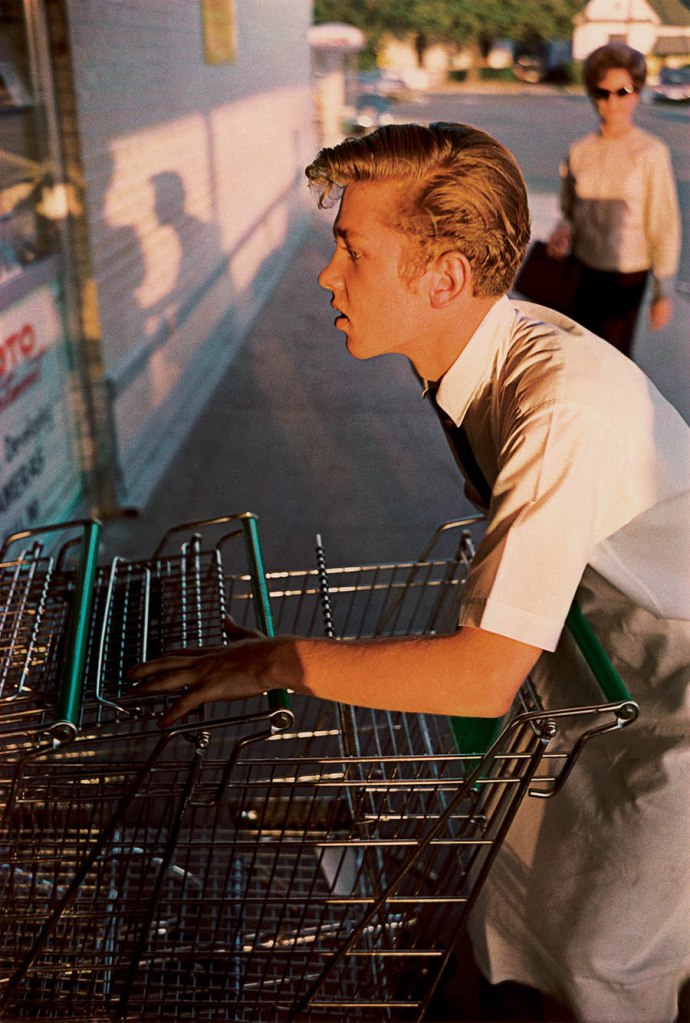
William Eggleston is often credited as the photographer who brought color into the fine art conversation. At a time when black-and-white was still considered the serious language of photography, Eggleston pushed against that idea and made color a key part of his artistic voice. And he did it not through grand scenes or dramatic subjects, but through the most ordinary, everyday things.

Looking at his work, the first thing that strikes me is his sensitivity to color. He doesn’t just use color—he sees color in a way that feels intuitive and poetic. Take the image above, for example. The composition is simple, even classic: a single chair positioned right around the golden section point. The color palette—lime, green, and yellow—feels both deliberate and effortless. It’s hard to say whether the scene was staged or just discovered, but it doesn’t really matter. The image feels natural, but also beautifully composed. It holds your attention without trying too hard.
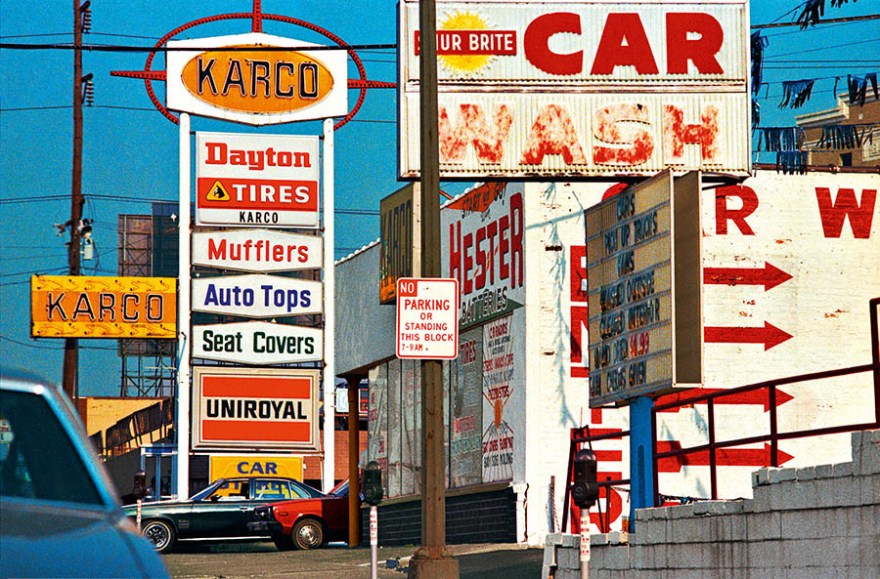
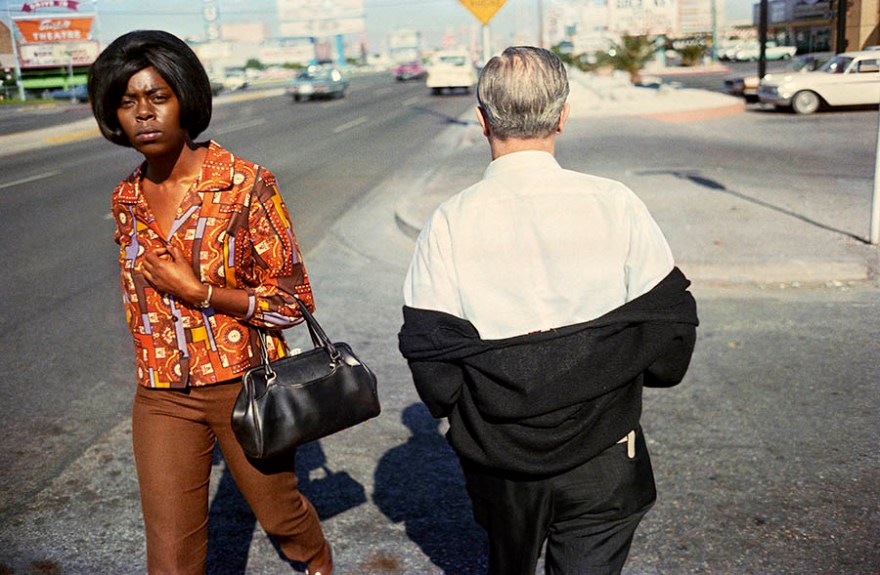
As I browse through more of Eggleston’s work, what stands out is how much he finds in seemingly unremarkable places—suburban neighborhoods, roadside diners, empty rooms, faded cars. Color becomes the emotional core of the photo. It’s what turns an otherwise quiet image into something magnetic. You realize it’s not about what he’s photographing, but how he sees it. That shift in perspective is incredibly inspiring.
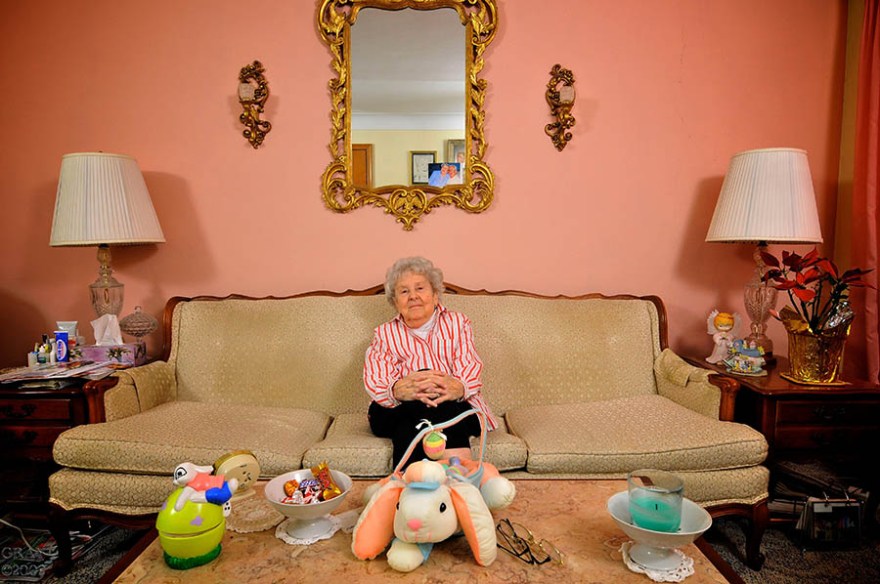
Especially for someone like me, who sometimes finds themselves limited by location—say, stuck in the countryside or a small town—Eggleston’s work is a reminder that you don’t need a big city or a dramatic landscape to create something powerful. Beauty and meaning can come from the most familiar surroundings, if you’re really paying attention.

His images make me want to slow down, notice more, and treat every color in front of me with a little more reverence.
中文版本:

William Eggleston 被认为是将彩色摄影带入艺术殿堂的重要人物。在那个黑白摄影仍然被视为“严肃”创作的年代,他坚定地走上了用色彩说话的道路。他的作品并不依靠宏大的场景或戏剧性的主题,而是取材于生活中最平凡、最日常的事物。

在他的照片中,我第一眼注意到的就是他对色彩的敏感。他并不是单纯地“使用”色彩,而是真正地“看见”色彩。他的视觉语言是直觉性的,带着一种自然的节奏感。比如上图这张作品,构图简单而经典:一张椅子刚好落在黄金分割点的位置,画面中的主色是青柠绿、草绿色和黄色。三种色彩彼此呼应,形成一种既协调又克制的视觉张力。这个场景到底是不是摆拍的,我无法确定,但它看上去既完美又自然,像是随手一拍,却无比耐看。

翻阅他的其他作品,会发现 Eggleston 经常在最普通的地方发现精彩——无论是乡镇街道、路边小餐馆、昏黄的房间,还是一辆褪色的老车。他用色彩来构建情绪,用构图去捕捉某种恰到好处的日常感。他的照片不是在告诉你“这是什么”,而是在让你“感觉这是什么”。这种视觉方式让我非常受启发。

特别是当我身处乡村、环境有限时,他的作品提醒我:创作的意义,不在于你身处哪里,而在于你是否认真地去观察和感受。只要你有一双对色彩敏感的眼睛,普通的世界也可以呈现出诗意的质感。

Eggleston 的作品让我愿意慢下来,去重新感受身边那些被忽略的颜色,也让我重新相信:色彩不只是装饰,而是情绪本身。
Weekly Post #05 Brassaï

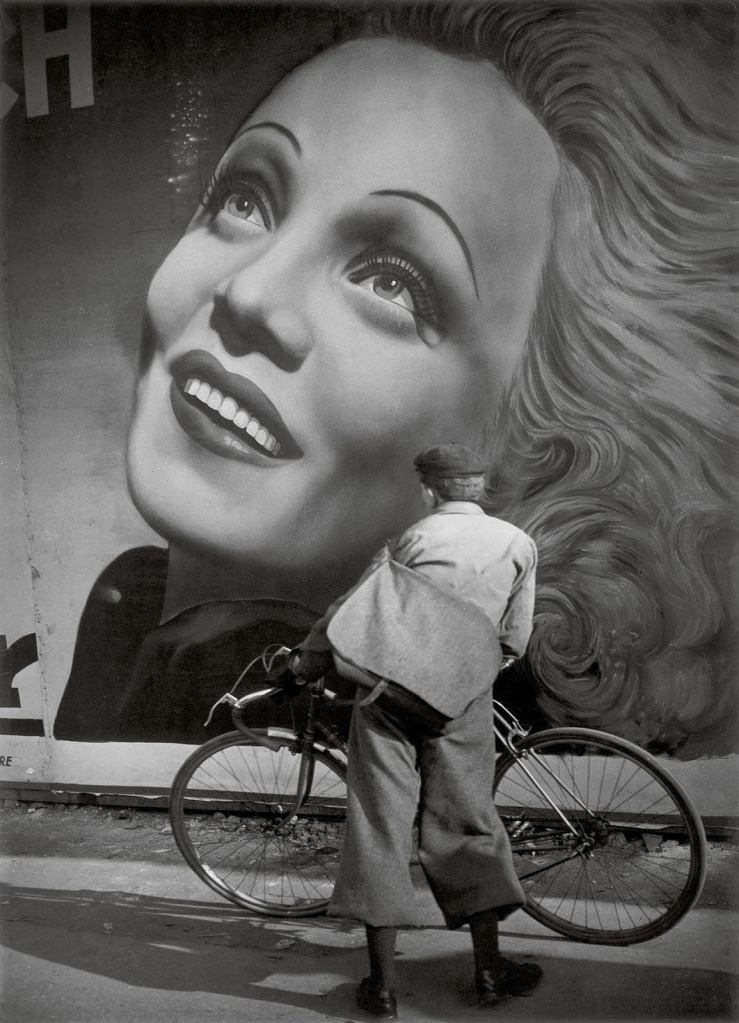
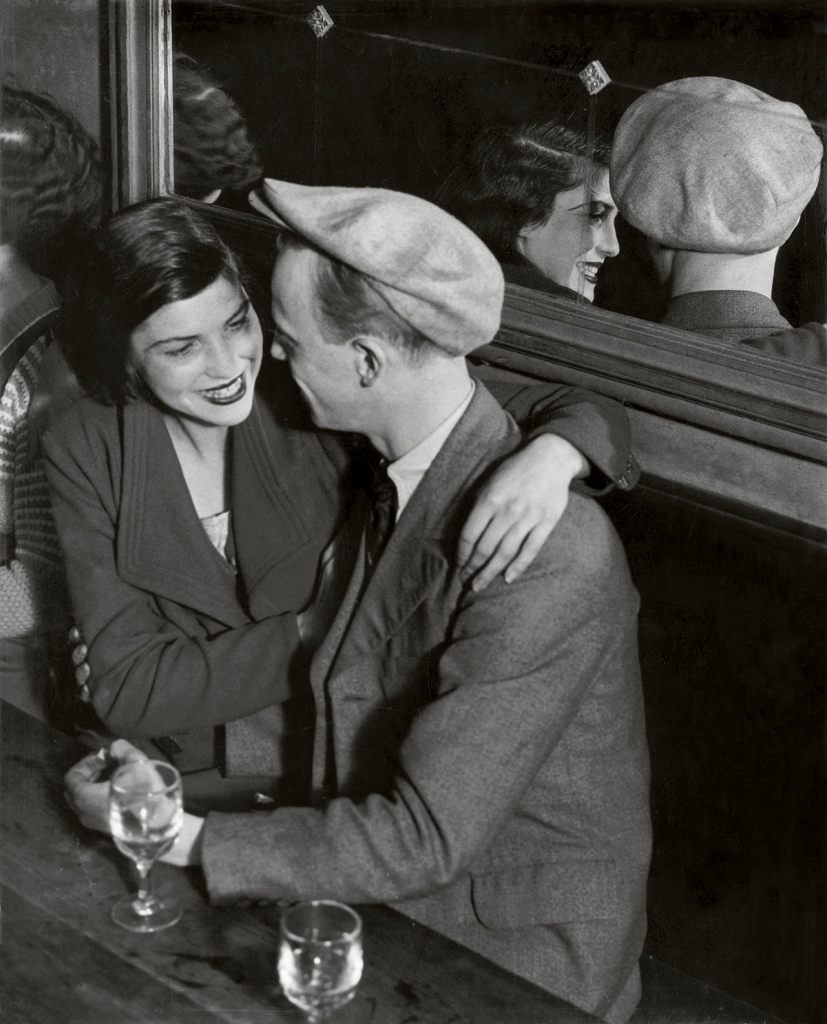
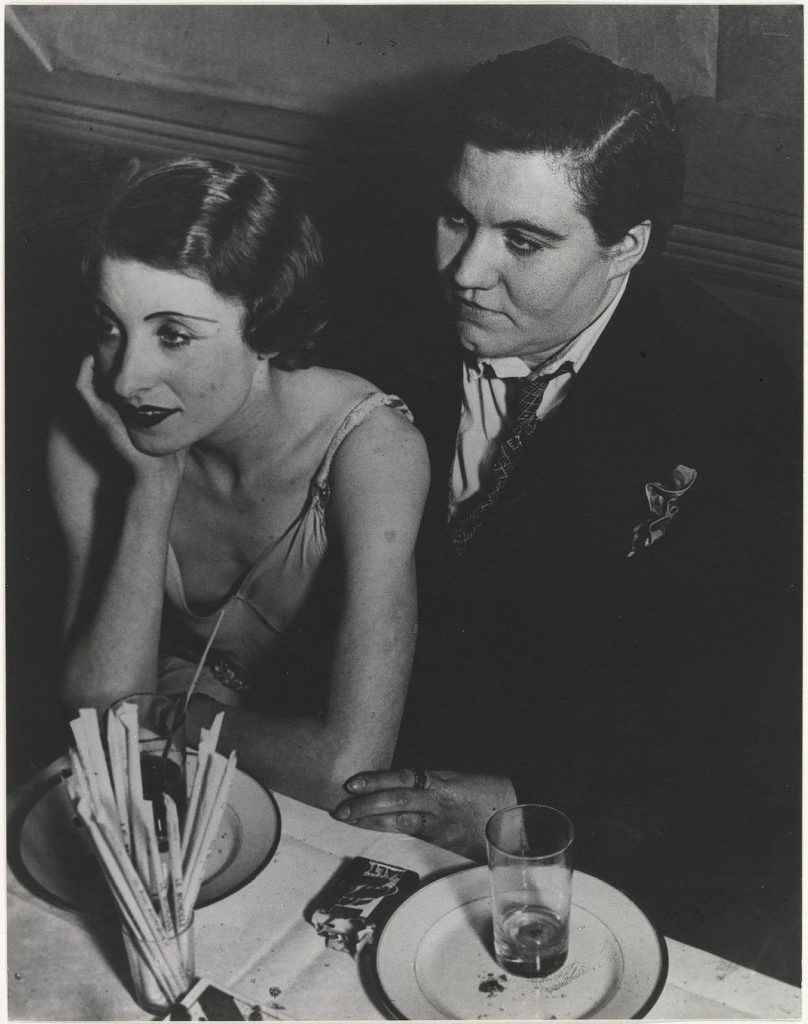
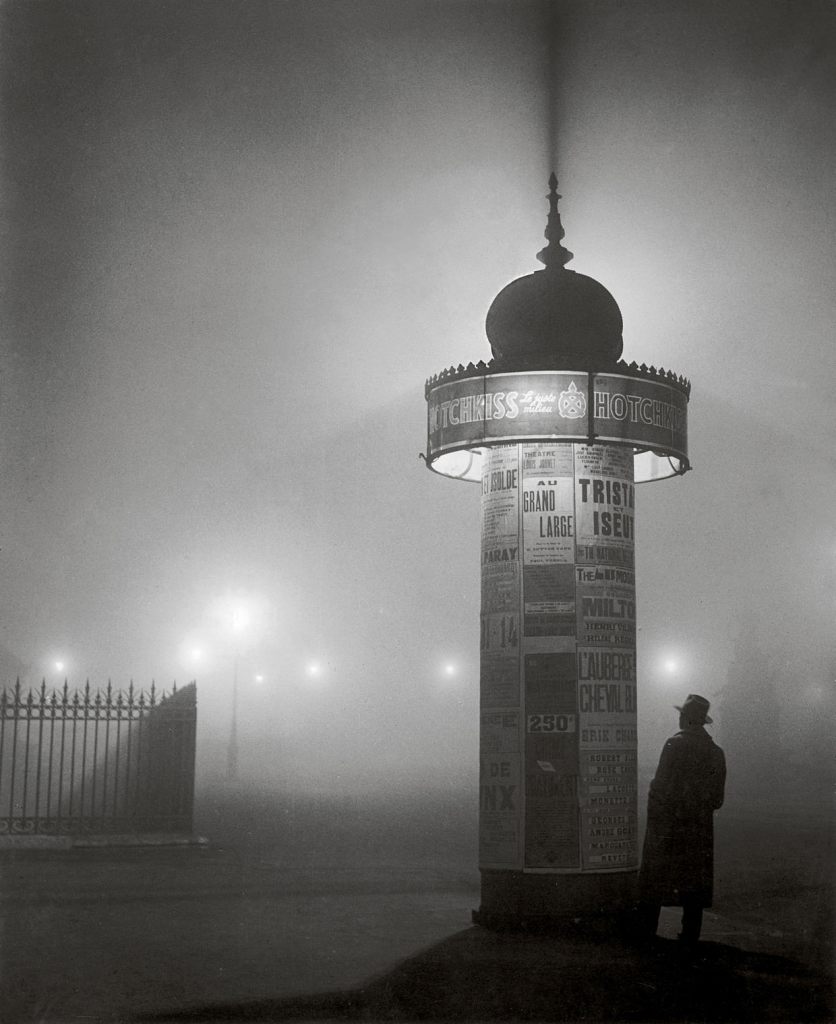
Brassaï, originally from Hungary but based in Paris, is best known for his beautiful and mysterious series Paris de Nuit (Paris by Night). He had the rare fortune of living and working in the same era—and even the same city—as modern art legends like Pablo Picasso and Joan Miró. Being surrounded by such creative energy must’ve had a huge impact on him, and eventually led him to find his own voice: photographing the Parisian night.

His work speaks to me, especially as someone who’s starting to explore night photography more seriously. There’s something incredibly rich and cinematic about how Brassaï captured the city after dark. He wasn’t chasing perfect exposures or technical sharpness—he was chasing mood, mystery, and atmosphere.

What stands out most to me is the way he used shadows and light. In a time when most photography books talk about getting the “correct” exposure, Brassaï reminds me that darkness can be just as powerful as light. Underexposure isn’t necessarily a mistake—it can actually add depth, emotion, and a sense of the unknown. His night scenes often feel like stills from a dream: foggy streets, glowing lamps, blurred figures moving through the city.

In fact, his work is what encouraged me to start my own blue hour series. That in-between moment—just after sunset, before night fully falls—has a kind of softness and emotional tension I’ve always been drawn to. Inspired by Brassaï’s approach, I’m learning to let go of the need for perfect clarity and instead focus on feeling and tone.

Brassaï’s Paris isn’t just a place—it’s a mood. And that’s what I want to explore in my own photography too. Not just what a city looks like at night, but what it feels like.

中文版本:

布拉赛(Brassaï)是匈牙利出生、定居巴黎的摄影师。他最为人熟知的作品,是那组神秘而迷人的《夜之巴黎》(Paris de Nuit)系列。在他生活的年代,正好与毕加索、米罗等艺术巨匠们同处一个创作高峰期。身处那样一个艺术氛围浓厚的巴黎,布拉赛无疑受到了许多启发,最终走出自己的风格——用镜头记录这座城市的夜晚。

最近我开始尝试夜间摄影,所以看到布拉赛的作品时,特别有共鸣。他镜头下的夜晚不追求“正确”的曝光或者技术上的完美,而是追求氛围和情绪。他的影像中,光与影的关系非常微妙,常常在模糊与浓重的黑影中,展现出一种朦胧又强烈的城市气息。

这让我意识到,所谓曝光不足,并不总是错误。有时候,保留一点黑暗和不确定,反而能营造出更有张力的画面。布拉赛的照片就像一场梦中的漫步——有路灯的微光,有雾,有模糊的身影,有沉默的街道。那种含蓄、诗意而略带神秘感的风格,非常打动我。

其实,我现在正在拍摄的 blue hour系列,就是受他的启发。那是黄昏刚落、夜色尚未完全降临的过渡时段,天色呈现出一种冷静、深邃的蓝。我一直很喜欢这种微妙的情绪,而布拉赛的作品给了我勇气去拥抱画面中的不完美,专注于影像的感受而不是技术的控制。

在布拉赛的镜头里,巴黎不只是一个地理概念,而是一种情绪的载体。这也是我想尝试在自己的摄影中探索的:不是拍清楚一个城市长什么样,而是拍出它在某个时刻给你的感觉。

Weekly Post #04 Moriyama Daido

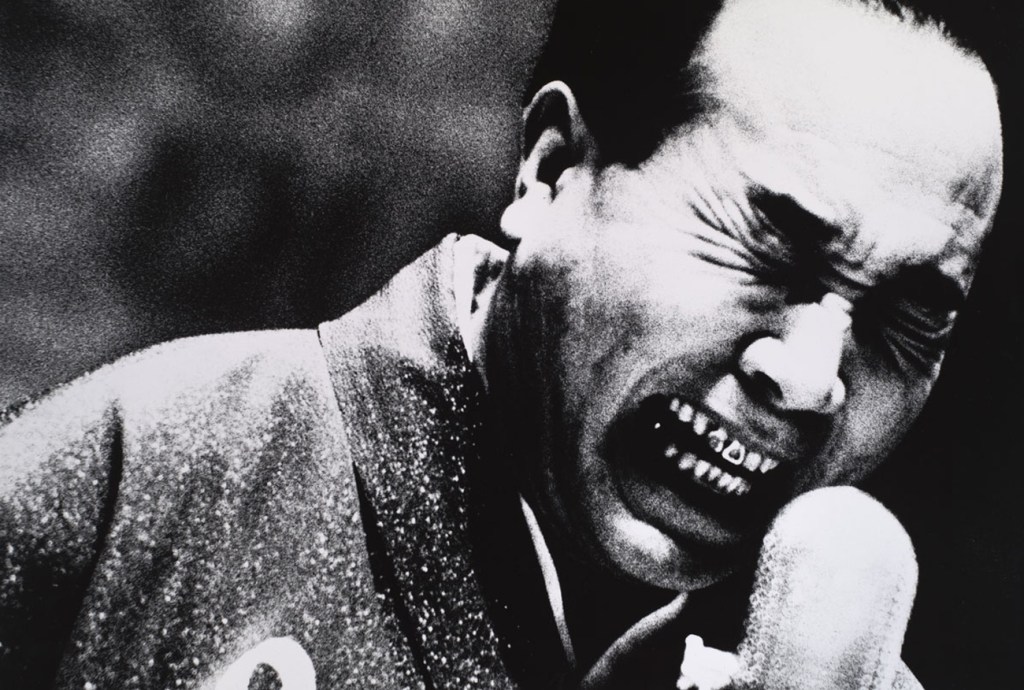
Moriyama Daidō is a name I’ve known for a while. Born in Osaka, he’s often listed among the most influential street photographers of all time. I’ve come across his photos plenty of times before, especially his gritty black-and-white shots of postwar Japan. But until recently, I hadn’t really taken the time to understand what makes his work so powerful. Now that I’ve started looking more closely, I can see why he’s had such a lasting impact—and why he’s worth paying attention to.

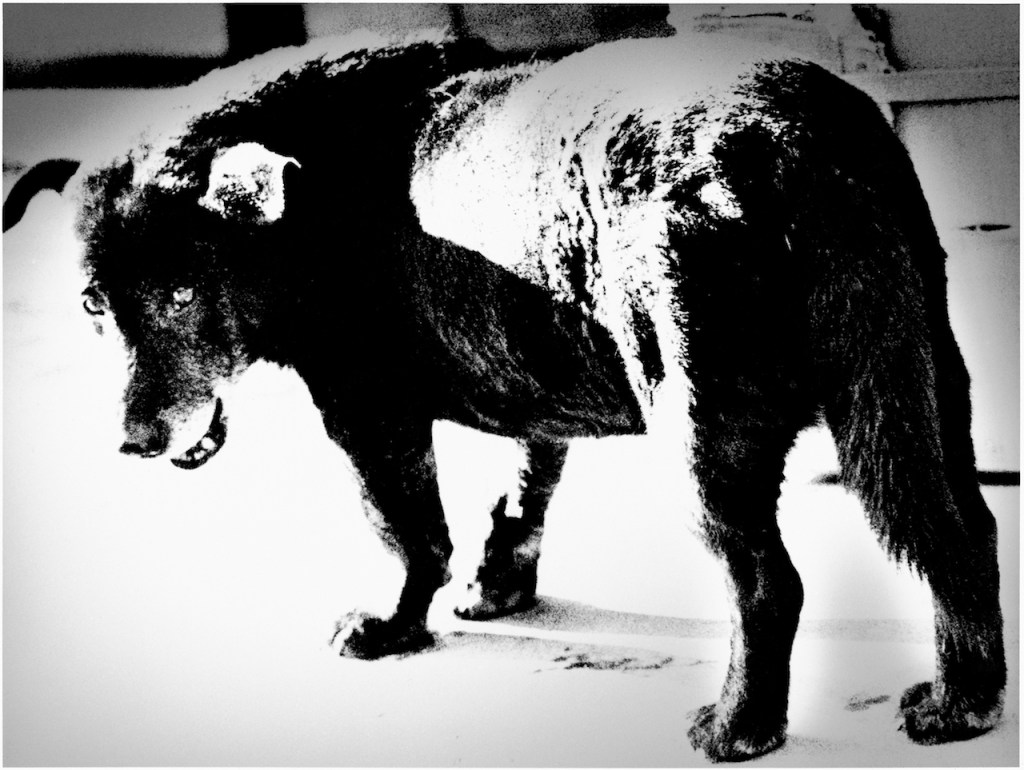
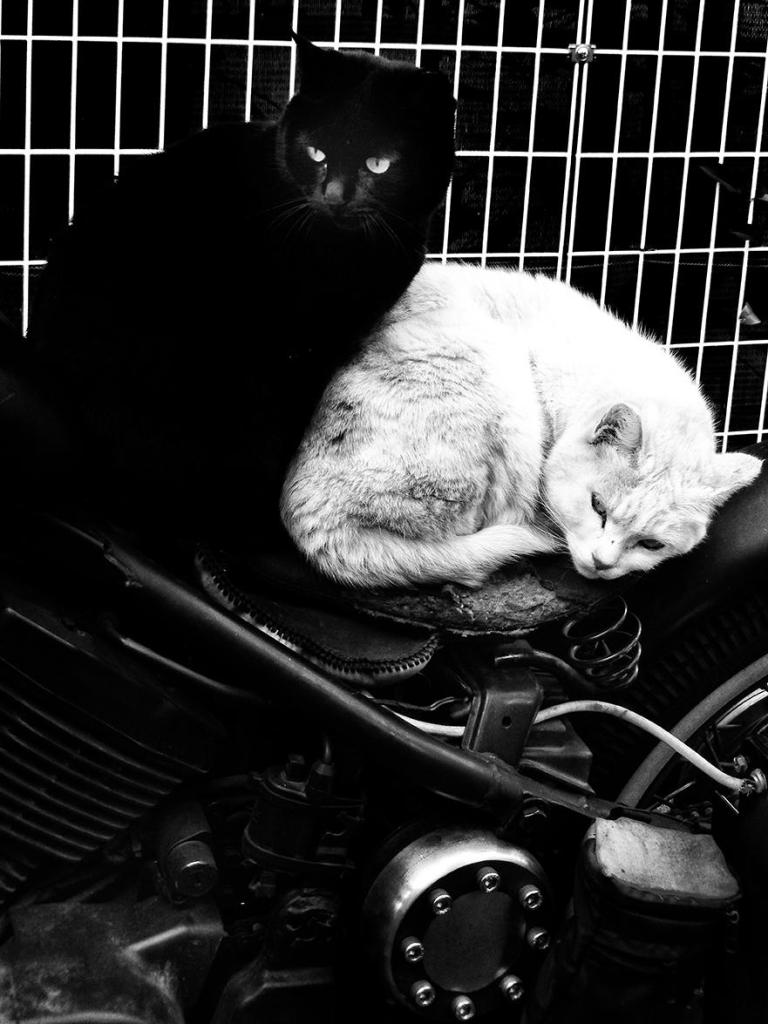
Moriyama is best known for his raw, high-contrast black-and-white images that reflect the clash between old Japan and the fast-changing, modern world. His photos are often blurry, grainy, and full of motion—more like fragments of a memory than traditional “well-composed” pictures. That visual chaos isn’t accidental. It’s part of what gives his work such emotional weight. He’s not interested in clean lines or technical perfection. He’s trying to show what life feels like—not just what it looks like.

One thing that really stands out is how Moriyama approaches photography like a visual diary. He captures street life in all its randomness—strangers passing by, empty storefronts, reflections in windows, city lights, dogs, signage—really anything and everything. The way he shoots feels instinctive, almost impulsive, but it’s never careless. There’s intention behind the blur, behind the noise. It’s not about capturing a single “decisive moment,” but about soaking in the atmosphere of the city and turning it into a kind of visual stream-of-consciousness.

Another thing that’s incredibly inspiring: for more than 50 years, Moriyama stuck with a compact Ricoh camera, shooting almost exclusively in black and white. In a world obsessed with the latest gear, that alone is a powerful statement. His work reminds me that what matters most is not what camera you use, but how well you know it—and what you do with it. Familiarity breeds freedom. He didn’t waste time switching systems or chasing specs. He focused on shooting, and that discipline paid off.

What I admire most about Moriyama’s photography is its honesty. It doesn’t try to make the world more beautiful or more orderly than it is. It shows the grit, the blur, the fragments—and somehow, in all that mess, it finds meaning. There’s something very human about that. It makes me think differently about what photography can be, and what it means to really pay attention to the world around you.

中文版本:

森山大道是一个耳熟能详的名字了。他出生于大阪,是世界公认最具影响力的街头摄影师之一。我以前也看过不少他的照片,尤其是那些高对比度的黑白作品,记录着战后日本的城市风貌。但说实话,我一直没有真正去深入理解他的作品。最近重新看他的照片,才慢慢明白,为什么他能影响这么多人,也让我开始思考,他还能带给我什么样的启发。

森山最著名的作品,是那些粗砺、直接、对比极强的黑白照片,记录的是传统与现代之间的冲突。他的照片经常是模糊的、有颗粒感的,甚至不符合常规的构图美学。但这正是他照片打动人的地方——它们不试图美化世界,而是直接呈现出生活最真实、最混乱的那一面。

更有意思的是,他把摄影当作一种视觉日记来进行。他拍下街头的随机瞬间——路人、狗、霓虹灯、反光玻璃、广告牌、废弃的角落……这些看似零碎的画面,拼接在一起之后,却有种奇妙的节奏和能量。他不追求所谓“决定性瞬间”,而是记录下城市的呼吸,捕捉日常生活中那些被忽略的、转瞬即逝的感受。

还有一点让我特别佩服:五十多年来,他一直使用一台便携的 Ricoh 相机,坚持拍黑白照片。这个事实本身就很有力量。在这个人人都在讨论器材、焦段、画质的时代,他却证明了一件事——真正重要的不是用什么拍,而是你如何看世界。熟悉自己的工具,远比频繁更换设备来得重要。那种专注和坚持,是一种非常纯粹的创作态度。

森山的作品,也许不“好看”,甚至不容易被第一眼接受。但它们很真实。他不试图把世界拍得更干净或更美,而是选择正视混乱和不完美。正是在这种模糊与破碎之中,他呈现出一种特别的情感张力。这让我重新思考摄影的意义——它不是关于控制和构图的技巧,而是关于你是否愿意用心感受身边的世界。

Weekly Post #03 Todd Hido

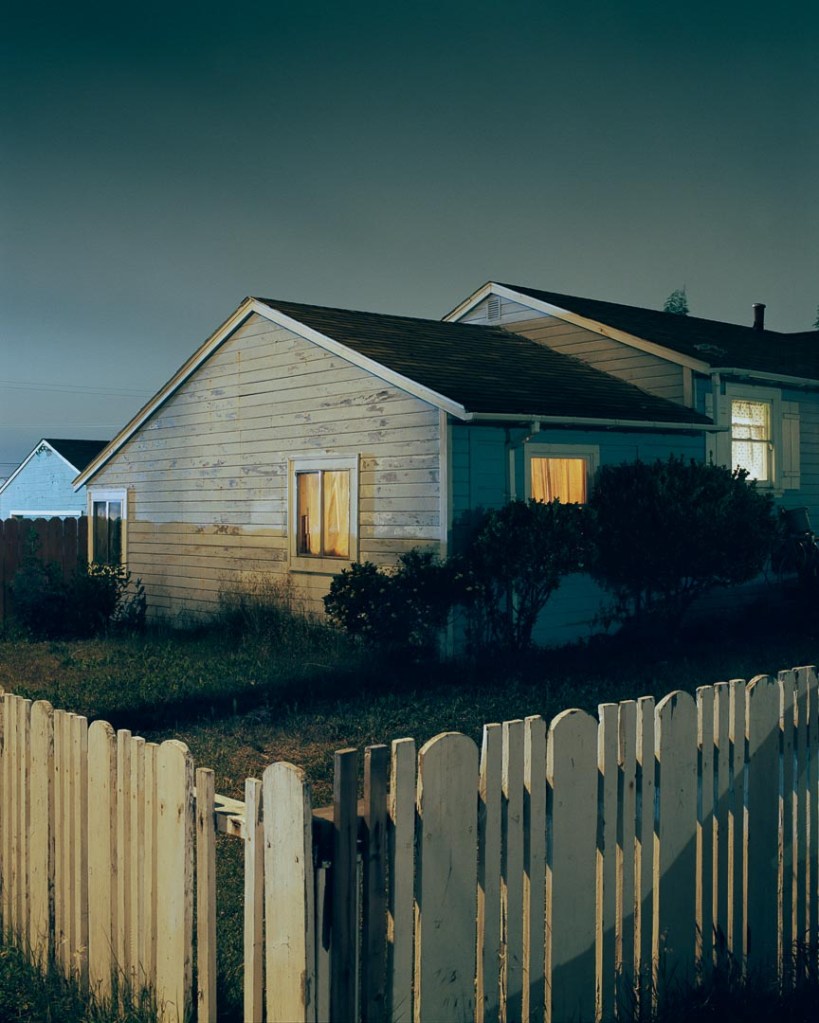
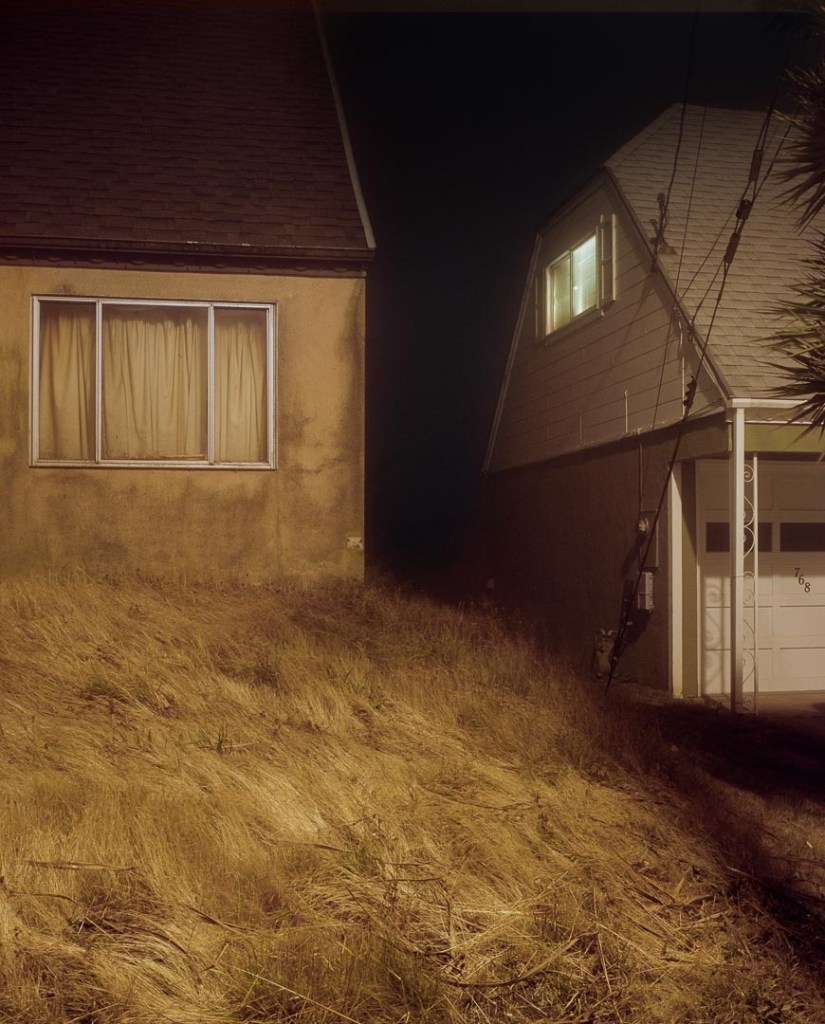
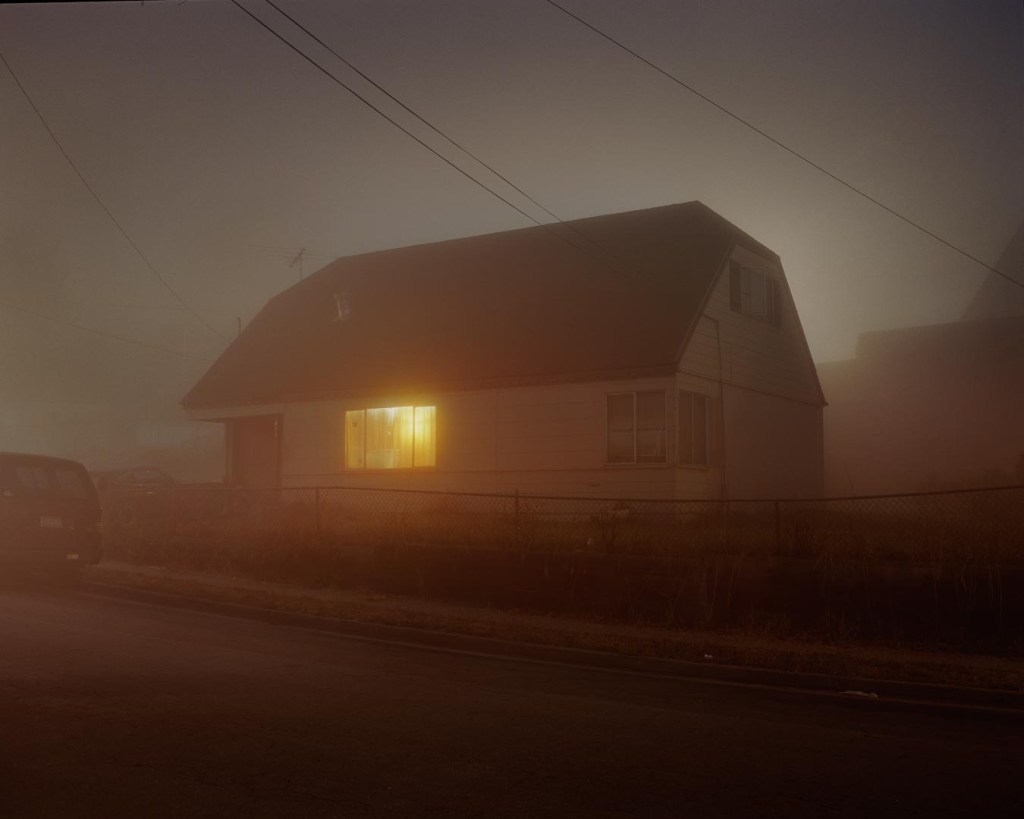
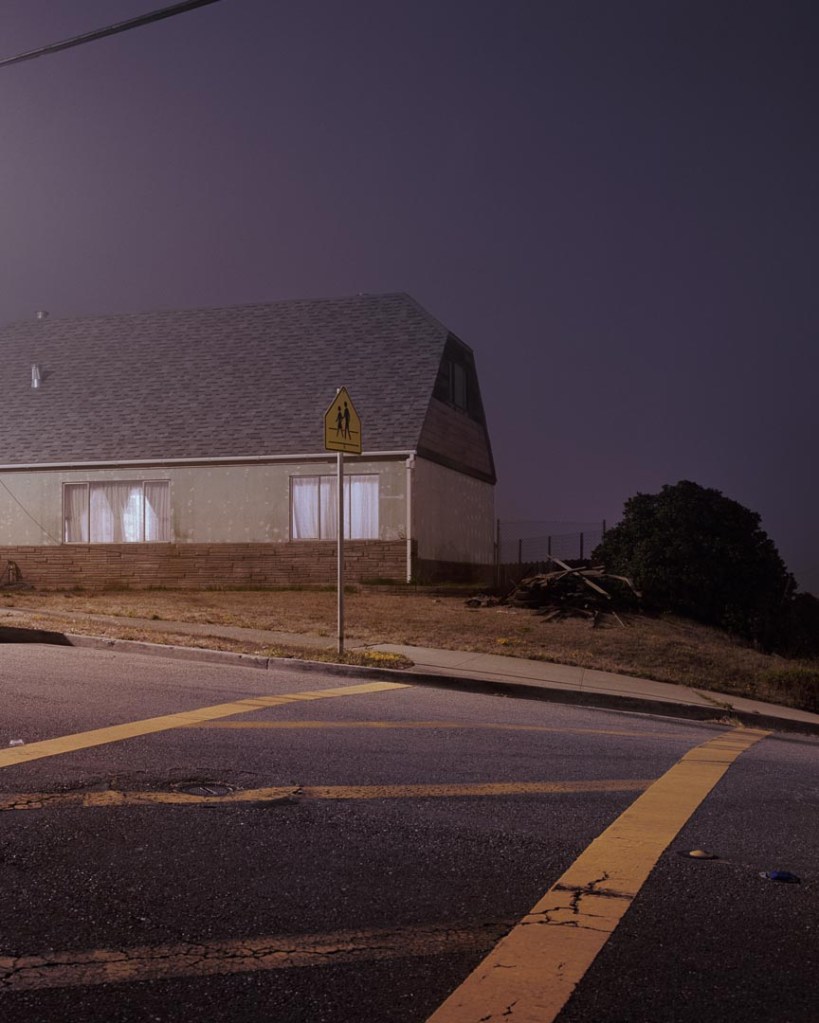
Todd Hido is a San Francisco Bay Area–based artist who was born in Kent, Ohio. Much of his work centers on suburban housing and landscapes. In this article, I’ll focus mainly on his House Hunting project.

What strikes me most about Hido’s work is its quietness and the way he handles color—subtle, muted, yet emotionally powerful. Unlike many photographers who meticulously evaluate and perfect every element of their images, Hido’s photos feel almost casual in comparison. And yet, that casualness is exactly what makes his work stand out. When I first saw his photographs, I was deeply impressed.

As someone trying to explore the relationship between night, streets, and the countryside, I find that Hido’s work almost perfectly captures all of my own visual fantasies. His photography has become one of my greatest inspirations. I believe growing up in Ohio played a role in shaping his perspective—his focus is on the ordinary, rather than trends or fashion. I don’t think a photographer who was born and raised in New York City could produce work like this.

His House Hunting series seems to capture the impression of life inside the house, which is why windows are often featured in his images. Hido once said:

“I take photographs of houses at night because I wonder about the families inside them. I wonder about how people live, and the act of taking that photograph is a meditation.”

I find this idea incredibly poetic—photographing the outside of a home while leaving the viewer space to imagine what’s happening inside. This approach resonates with me deeply, and I would love to create a similar series—seeking out meaning in night houses and night landscapes.

中文版本:

Todd Hido 是一位居住在旧金山湾区的艺术家,出生于俄亥俄州的肯特。他的大部分作品都聚焦于郊区住宅和风景摄影。在这篇文章中,我主要想谈谈他的《House Hunting(猎屋)》系列。

让我最为印象深刻的是 Hido 作品中的那种安静感,以及他对色彩的处理——克制、柔和,却充满情绪。不同于许多摄影师精心雕琢每一个画面细节,Hido 的作品看起来反而显得有些“随意”。但也正是这种“随意”,让他的作品独树一帜。当我第一次看到他的照片时,就被深深打动了。

我一直在尝试寻找夜晚、街道和乡村之间的联系,而 Hido 的作品几乎完美地契合了我对这些画面的幻想,成为我创作上的最大灵感来源之一。我认为他在俄亥俄州的成长背景,对他的视角产生了很大的影响——他更关注日常、普通的事物,而不是潮流和时尚。我甚至觉得,一个在纽约出生长大的人,是很难创作出这样风格的作品的。

他的《House Hunting》系列作品,似乎是在表现房子内部生活的某种印象,因此窗户几乎总会出现在他的画面中。Hido 曾经说过:

“我在夜里拍摄这些房子,是因为我会想象里面住着怎样的家庭。我好奇人们是如何生活的,而拍摄的过程对我来说是一种冥想。”

我觉得这个想法非常富有诗意——拍摄的是房屋的外部,却为观众留出了想象内部生活的空间。这种手法让我非常共鸣,我也希望能够创作出一组类似的作品,去寻找夜晚住宅或夜间风景中更深层次的意义。

Weekly Post #02 Benedetta Ristori

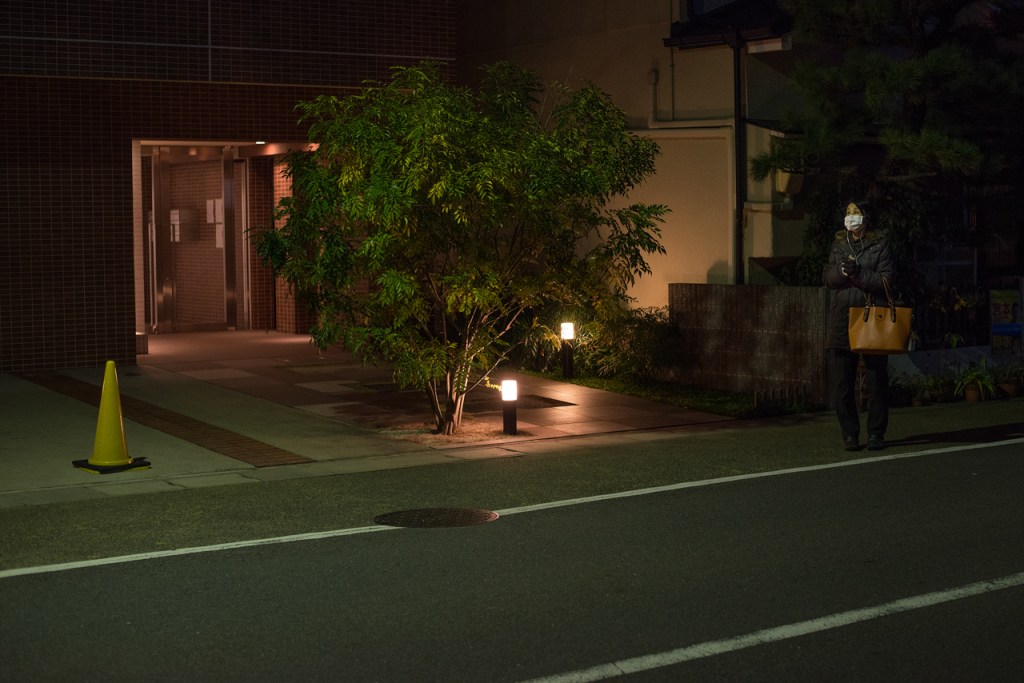
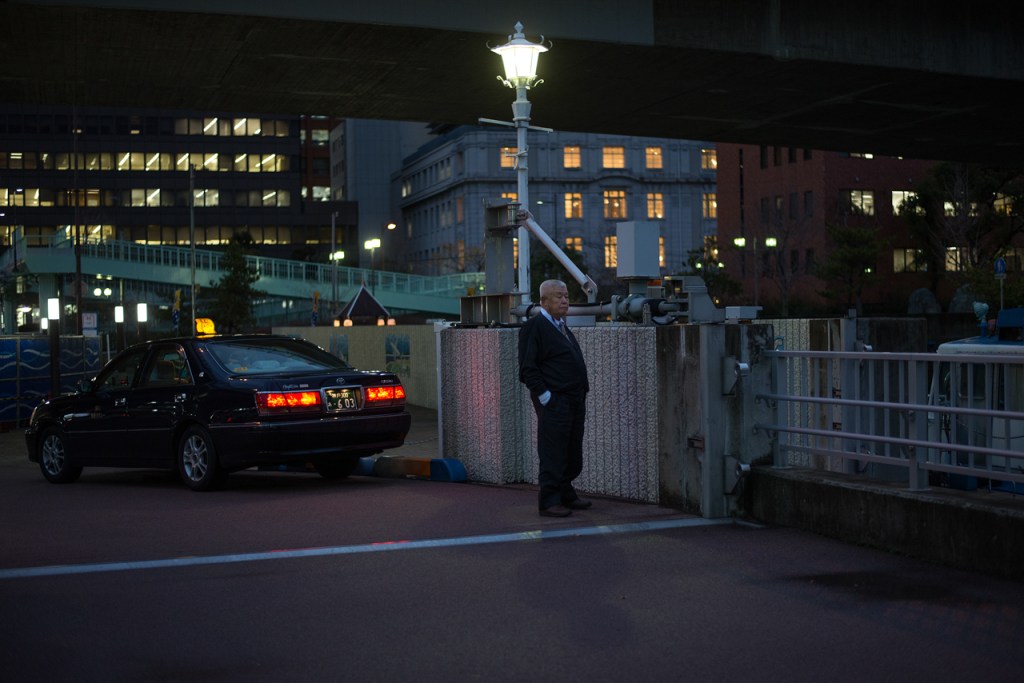
Today I’m going to talk about the artist Benedetta Ristori and her ongoing project called Lay Off. Benedetta Ristori is a freelance photographer currently based in Rome, Italy. Her work focuses on the tension between a form and the space it occupies, and the boundaries that contain it.

In 2016, a photo from her project Lay Off won the People category in the 16th Smithsonian Magazine Photo Contest. That same year, the project was featured in Vogue Italia, Ignant, Il Muro, Positive Magazine, and other publications.

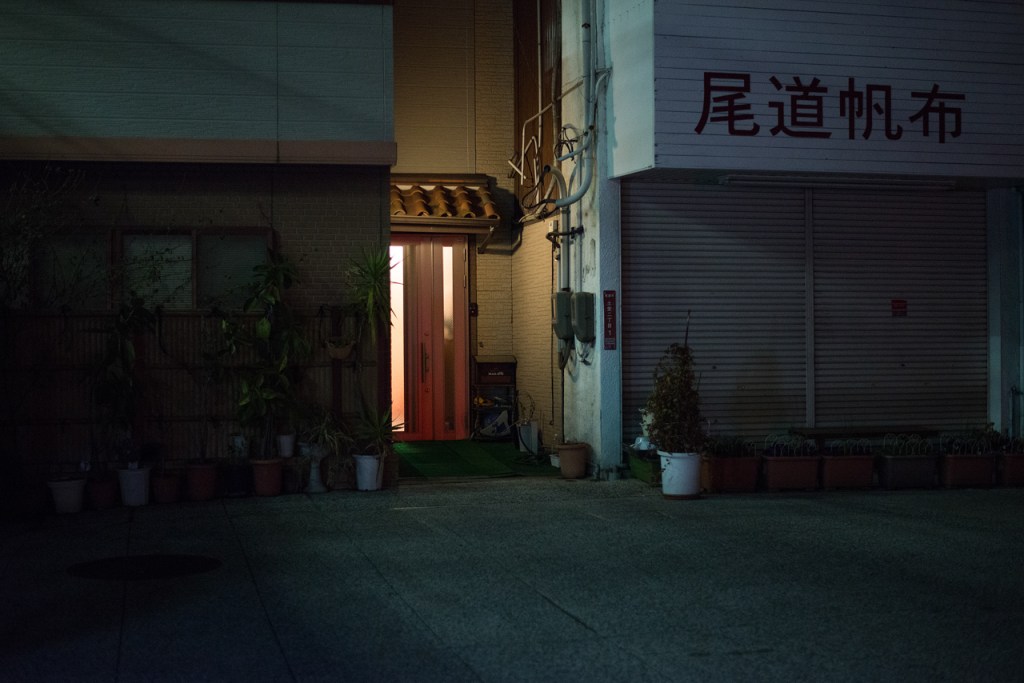
The photos shown above are all part of Lay Off. Ristori’s intention with this series is to observe and document moments in the lives of night workers, highlighting the one characteristic that often defines them: loneliness. Her work gives me a sense of timelessness and placelessness. She creates clear and concise compositions in extremely dense urban environments—a quality I deeply admire.

I’ve shot in Japan a few times myself, but I struggled to find an angle that captured the quiet, peaceful side of the city. Through my lens, it was always chaos and prosperity, never stillness. Ristori, on the other hand, manages to bring out that serenity in her photos.

I’ve always been drawn to night photography like this—where the photographer isn’t obsessed with technical perfection. Nowadays, many emerging photographers in Hong Kong are using ultra-high-resolution cameras and wide-angle lenses to capture every neon light possible. But to me, those images often feel soulless—like something a machine could easily reproduce under the same conditions.

Ristori’s work, by contrast, is quiet, subtle, and deeply emotional. It resonates more powerfully than many of the polished, flashy images out there. Her photography inspires me.

中文版本:

今天我想介绍的艺术家是 Benedetta Ristori,她正在进行的摄影项目叫做《Lay Off》。Benedetta Ristori 是一位自由摄影师,目前居住在意大利罗马。她的作品聚焦于“形态”与其所处空间之间的张力,以及形态如何被空间所限制和包围。

2016年,她的《Lay Off》系列中的一张照片获得了第16届《史密森尼杂志》摄影大赛人物组的冠军。同年,这个项目还被《意大利版Vogue》、Ignant、Il Muro、《Positive Magazine》等媒体刊登报道。

上面展示的这些照片都来自《Lay Off》这个系列。Ristori 想通过这个项目,窥探那些夜间工作者的生活瞬间,去分析和呈现出他们身上一个很常见的特征:孤独。她的作品给我一种超越时空的氛围感。在人口极度密集的城市中,她依然能够构建出清晰、简洁的构图。这一点我非常佩服。

我自己曾经在日本拍摄过几次,但总是找不到一个能够表现城市“宁静和平”一面的角度。透过我的镜头,看到的始终是城市的喧嚣与繁华,而不是片刻的安静。

我一直都很喜欢这种类型的夜间摄影——不是追求技术上的完美,而是有情绪、有故事。现在,香港有很多年轻摄影师,喜欢用超高像素的相机和超广角镜头去记录城市里每一个霓虹灯光的细节。但对我来说,那些照片常常显得很空洞——就像是在某个条件设定下,用机器也可以拍出来的作品。

相比之下,Ristori 的作品安静克制,却有着更强烈的情感表达。她的照片比那些“完美”得无可挑剔的图片更能打动我。她的作品真的非常鼓舞人心。

Weekly Post #01 Barry Underwood

Barry Underwood, born in 1963 in Wilmington, Delaware, is a contemporary artist known for his innovative fusion of photography and sculpture. He has received several prestigious awards, including the Creative Workforce Fellowship through the Community Partnership for Arts and Culture (Ohio), the Cleveland Arts Prize for Visual Arts, and the Ohio Arts Council Individual Excellence Award.

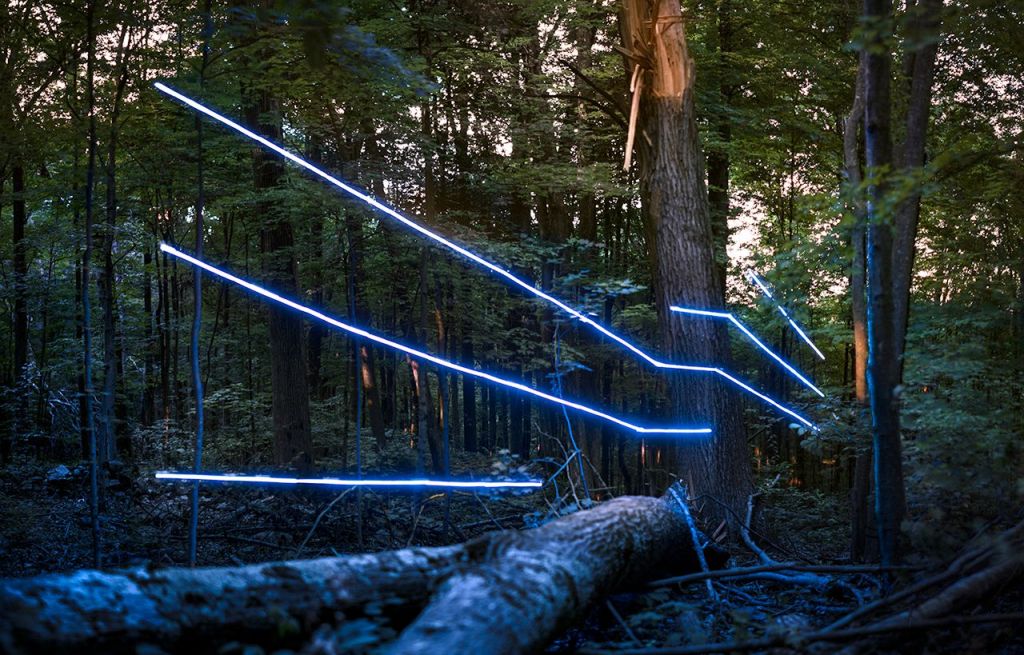
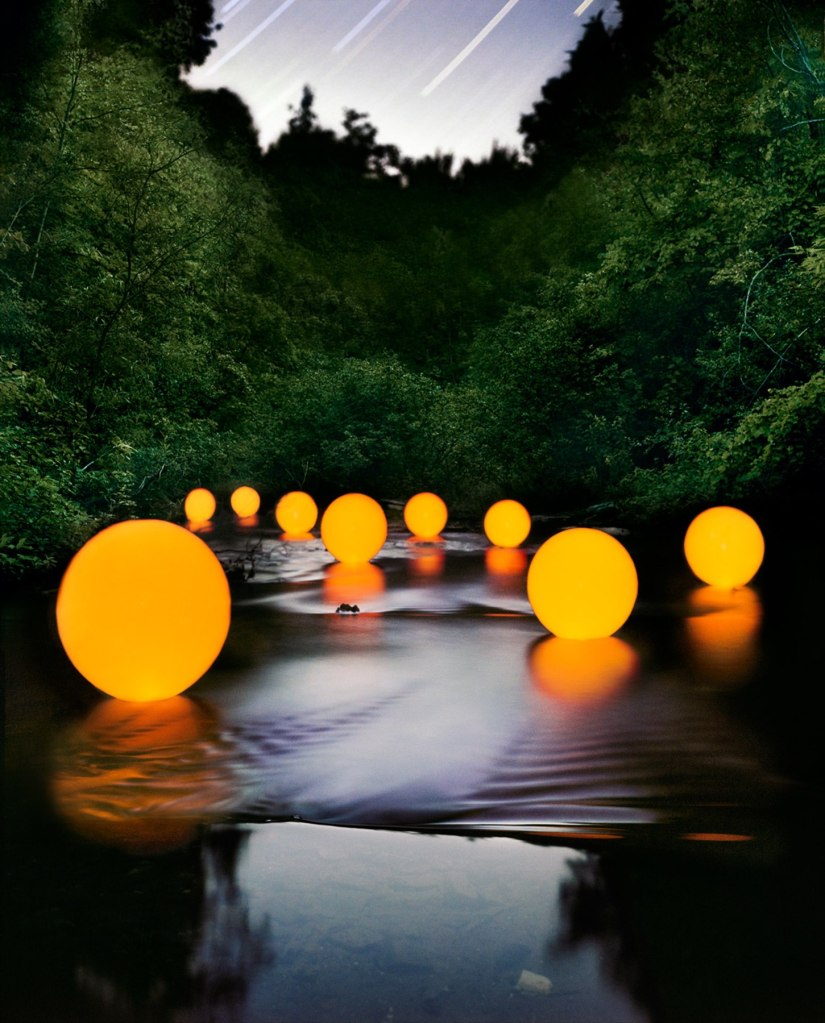
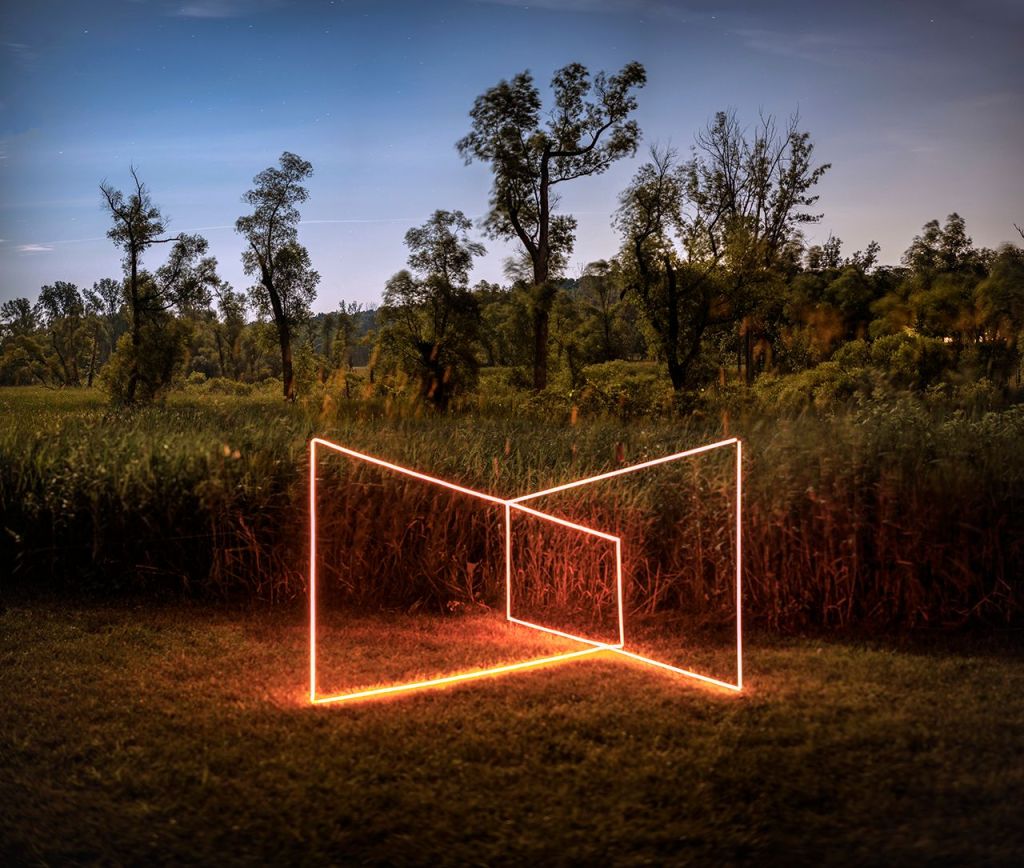
Underwood creates long-exposure photographic images that feature sculptural installations built directly within natural landscapes. Using light sources such as LED lights and luminescent materials, he constructs geometric and often surreal forms that momentarily transform these environments. His works highlight the tension between the natural world and human intervention, with a particular focus on drawing attention to environmental degradation or blight.

Personally, I see Barry Underwood’s practice as a compelling combination of sculpture and staged photography. His installations are visually striking and immersive, often appearing otherworldly. Yet beyond their aesthetic appeal, they carry layered meanings—emphasizing the contrast between the artificial and the organic, and challenging viewers to reflect on human impact on the environment.

His work is deeply inspiring, not only because of the environmental message he conveys but also because it expands the possibilities of combining physical installation with photographic art. It opens up a whole new way of thinking about how sculptural elements can be used to shape and redefine photographic storytelling.

中文版本:

巴里·安德伍德(Barry Underwood),1963年出生于美国特拉华州威明顿,是一位当代艺术家,以将摄影与雕塑巧妙结合的作品而闻名。他曾获得多个重要奖项,包括俄亥俄州社区艺术与文化合作组织颁发的创意劳动力奖学金(Creative Workforce Fellowship)、克利夫兰视觉艺术奖(Cleveland Arts Prize for Visual Arts),以及俄亥俄艺术委员会个人卓越奖(Ohio Arts Council Individual Excellence Award)。

安德伍德以长时间曝光的摄影作品著称,这些影像记录了他在特定自然景观中搭建的雕塑装置。他利用LED灯和发光材料等光源,在森林、湖边、山谷等场域中构建出几何形态的光线结构,使这些环境呈现出超现实、异化的视觉效果。他的创作旨在借助这些外来元素,呼应并揭示环境破坏与人类干预的现象。

在我看来,安德伍德的作品是雕塑与舞台式摄影的完美结合。这些装置本身极具视觉冲击力,观感迷人,但更重要的是,它们背后所承载的意义——光的“入侵”与自然的“受创”之间的关系——促使人们反思人与环境的互动方式。

他的作品对我启发颇深,不仅在于艺术家赋予作品的理念,更在于他将空间装置与摄影艺术有机结合,开辟了一种全新的艺术表达路径,也让我对摄影与雕塑的跨界融合有了全新的思考。