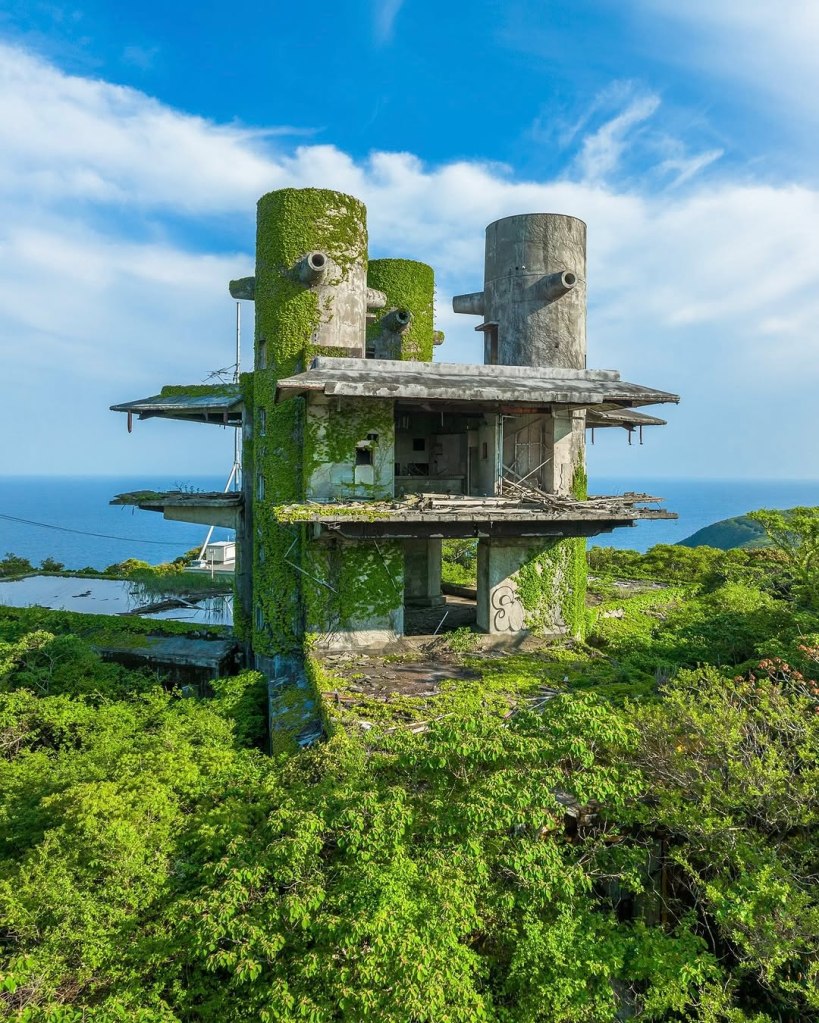
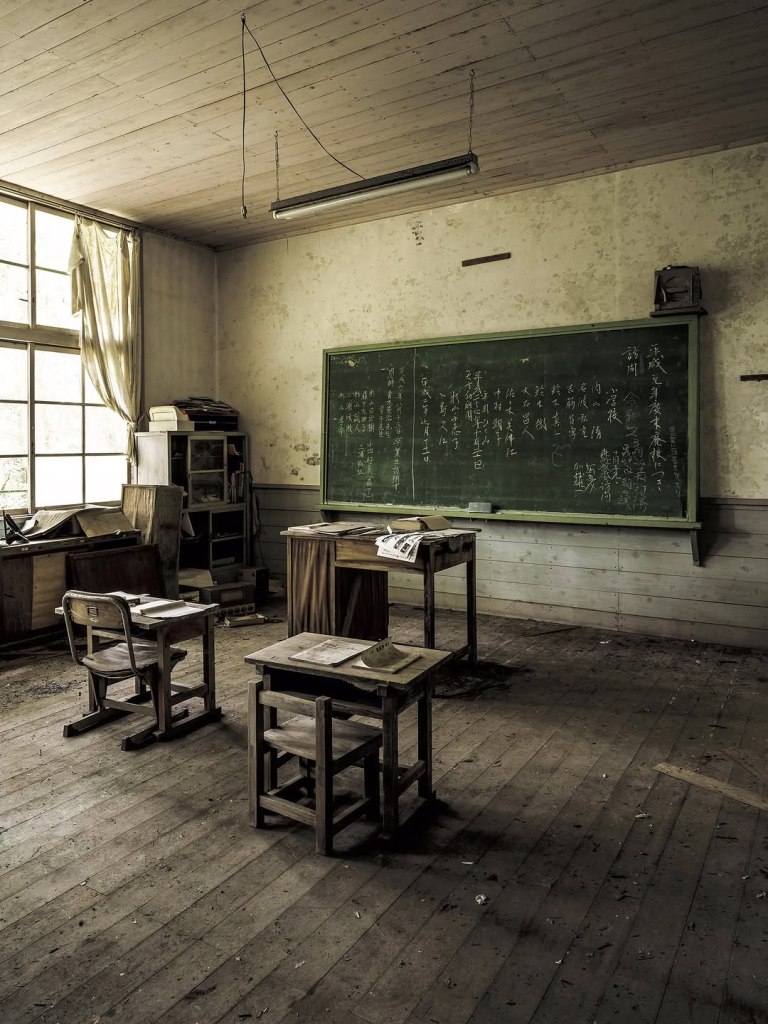
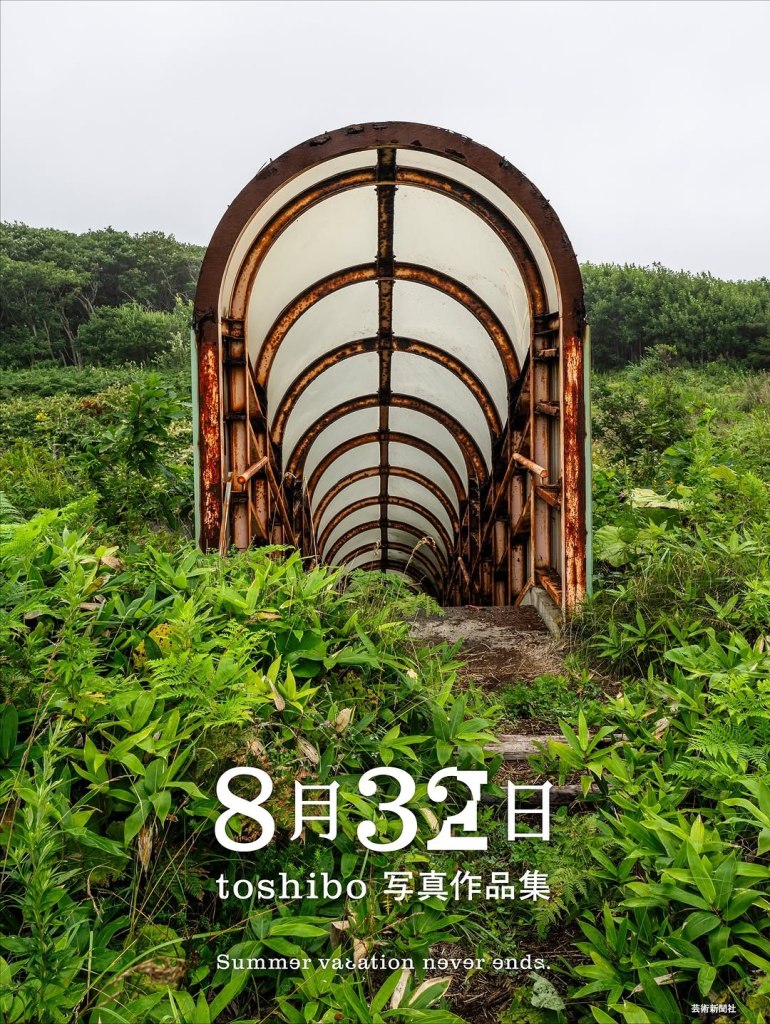
A few days ago, I happened to see a book titled August 32, created by Toshibo. The title itself carries a certain symbolic meaning. The date “August 32” obviously does not exist, giving a sense of time being shifted and memory being distorted. It also reflects Toshibo’s exploration of the space between reality and unreality.
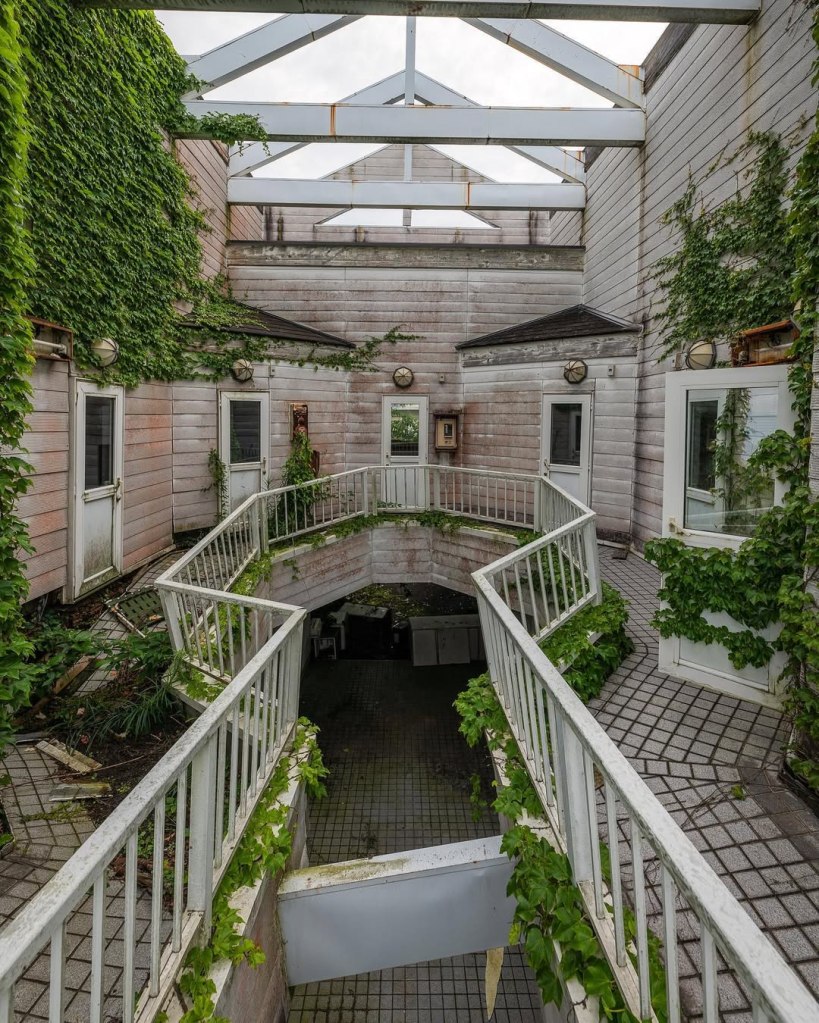
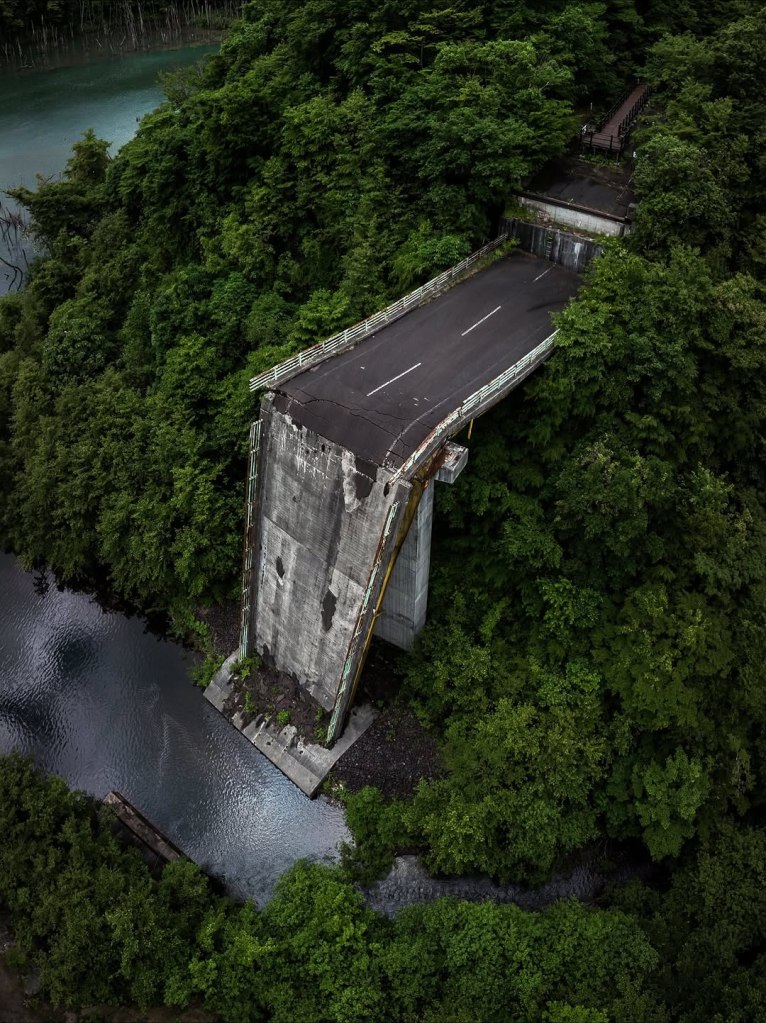
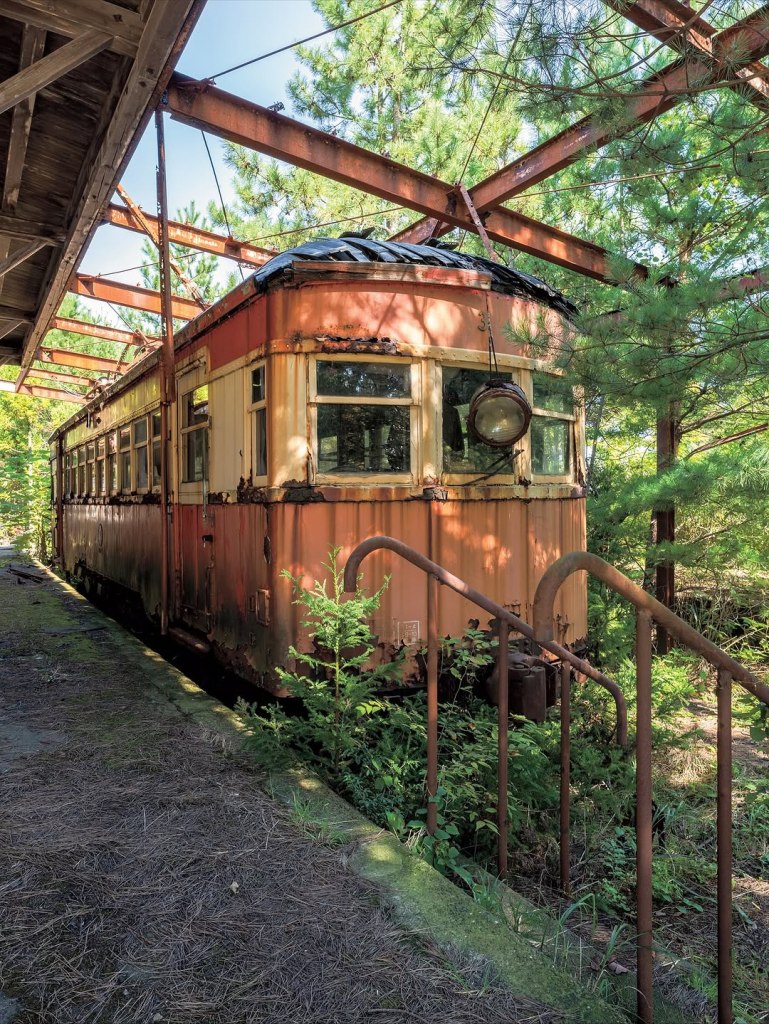
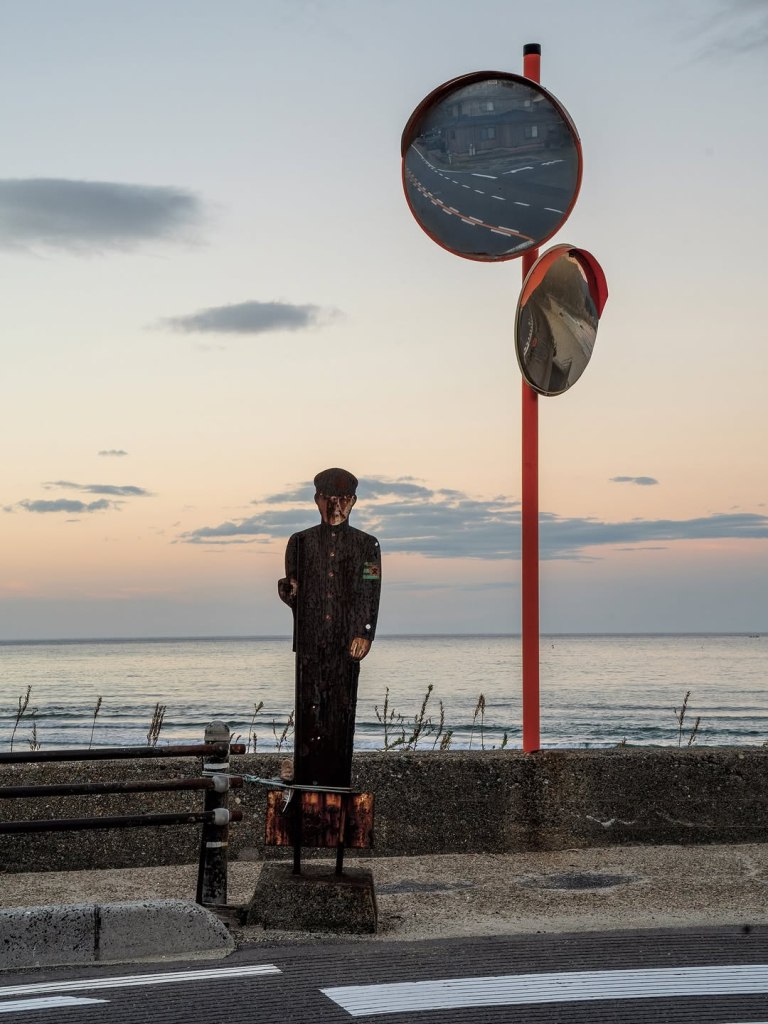
His whole work is filled with a dreamy atmosphere. Toshibo uses a lot of natural light, but it is not the bright light we often see in midsummer. Instead, it feels soft and blurred, as if time has paused, floating within memory. While reading it, I experienced a strange sense of displacement. Even though I did not grow up in Japan, I could still feel a connection with the objects and buildings weathered by time.
There are no people in the images, but we can sense traces of past human life through broken bridges, buildings covered by plants, and rusted gates. These scenes together create landscapes after humanity, giving narrative depth to otherwise still spaces. The text and layout in the book are also carefully designed, making the work not just a collection of images but easier and more enjoyable to read.
中文版本:
前几天偶然在书店看到一本名为《8月32日》的写真集,作者是 toshibo。这本写真标题本身就带有一定象征意味,“8月32日”这个日期显然并不存在。给人一种时间的偏移感以及记忆的错乱感,也很好的表达了toshibo对“现实与非现实之间”这一主题的探讨。
整部作品弥漫着一种梦幻的氛围。toshibo 运用了大量的自然光,但那种光线并非我们经常能看到的盛夏时候的明亮,而是一种能让人感受到时间停滞的光,柔和且模糊,像是在记忆的之中。阅读时让我产生一种奇怪的错位感。虽然我并不是在日本长大,但看到这些被时间腐蚀的物品和建筑,还是能感受到与作者的一些共鸣。
作品中没有人物,但我们可以通过断裂的桥梁、被植物覆盖的建筑、生锈的铁门,感受到曾经人们生活残留的的痕迹。这些景象共同构成了人类消逝后的风景,让静止的空间拥有了叙事性。书中穿插的文字与排版同样经过精心设计,使作品不仅是影像的集合,也增加了易读性。
 KywenArtech