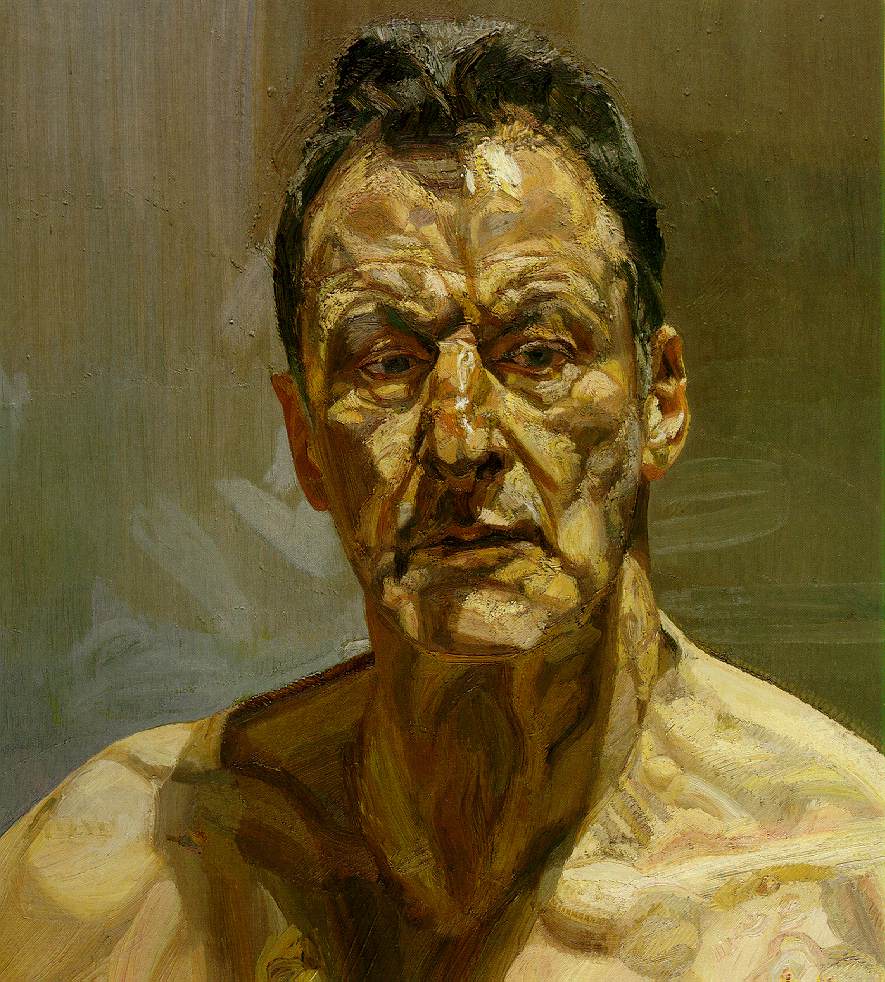
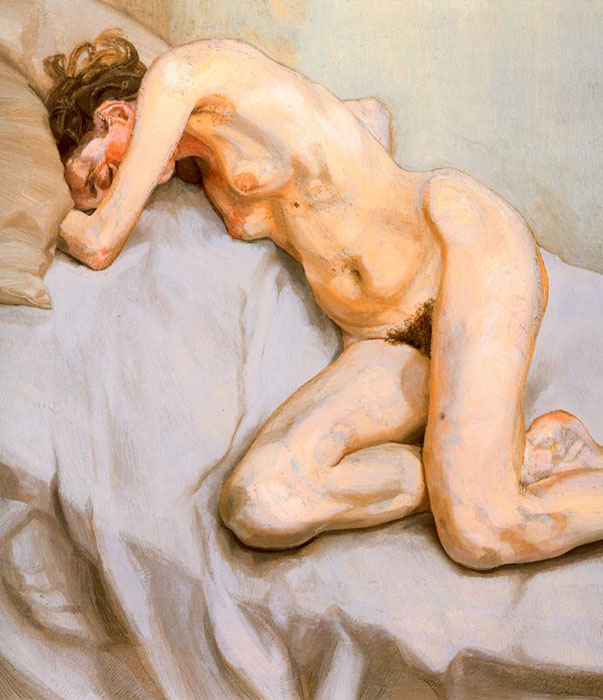
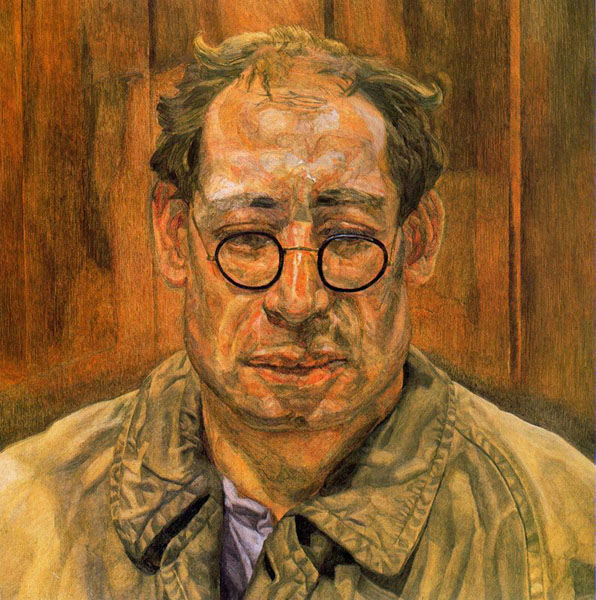
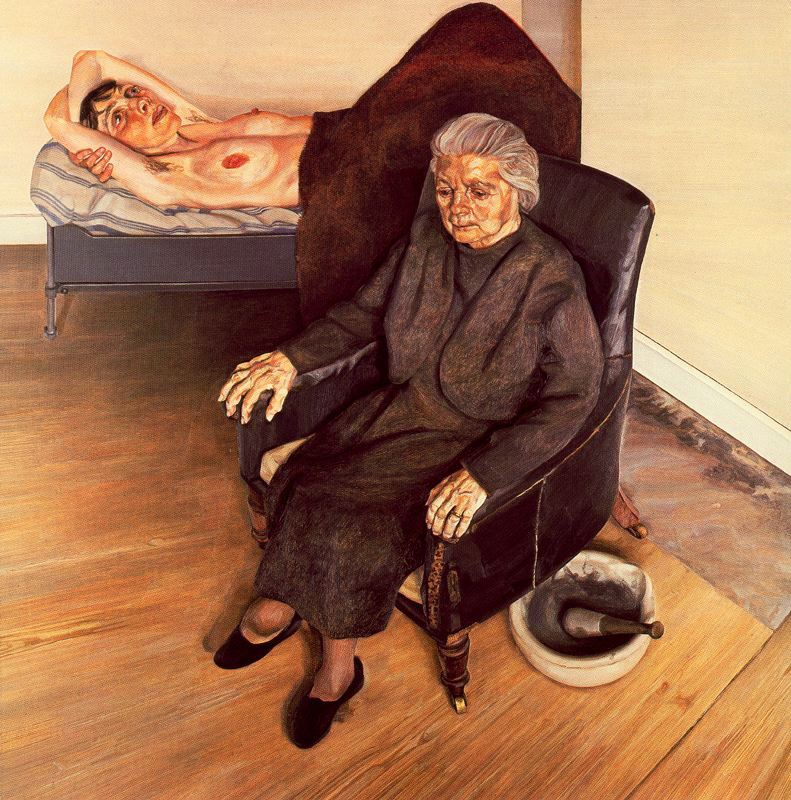
This week, I’ll talk about my weekly favorite artist, Lucian Freud. Freud is best known for his unique, realistic treatment of nudes and his intense, often unflinching portraits. Since I’ve been shooting portraits a lot lately, I found his works have a certain quality—abstract yet deeply realistic at the same time.
I used to focus on environmental portraits, believing that the surroundings help convey the subject’s character. But after studying Freud’s work, I’ve started to think more about close-up portraits. His paintings strip away context and bring you face-to-face with the subject, letting every wrinkle, line, and subtle shift in expression tell the story.
In portrait photography, this approach shifts the emphasis from “who the person is in their world” to “who the person is in themselves.” Just as Freud embraced raw texture, natural imperfections, and unfiltered presence, a photographer can use lighting, framing, and depth to reveal the subject’s truth. It’s not about perfection—it’s about presence. And that, in many ways, is the very heart of portraiture.
中文版本:
这周想介绍位我最近很喜欢的艺术家——卢西安·弗洛伊德(Lucian Freud)。他以写实的风格著称,尤其擅长刻画裸体与冲击力超强的肖像。最近我有拍不少人像照片。回过头看Freud的作品,发现有一种既抽象,又极其真实气质。
以前我更喜欢环境人像,因为我觉得环境能很好的帮助摄影师展现被摄者的性格或者特征。但在看到了弗洛伊德的作品后,我开始重新思考人像摄影本质。Freud的画作通常剥离了所有背景,将audiences直接带到与人物面对面的状态,每一道皱纹、每一条细微的表情变化,都在讲述被画者的故事。
在人像摄影中,这种方式让关注点从“这个人处在怎样的环境里”,转向“这个人本身是谁”。就像Freud敢于呈现肌理、保留瑕疵、捕捉未经修饰的真实状态,摄影师同样可以通过光影、构图和景深去呈现人物的本质。并不一定追求完美,而是捕捉一种真实感——而这种真实感,反而是人像的核心。
 KywenArtech