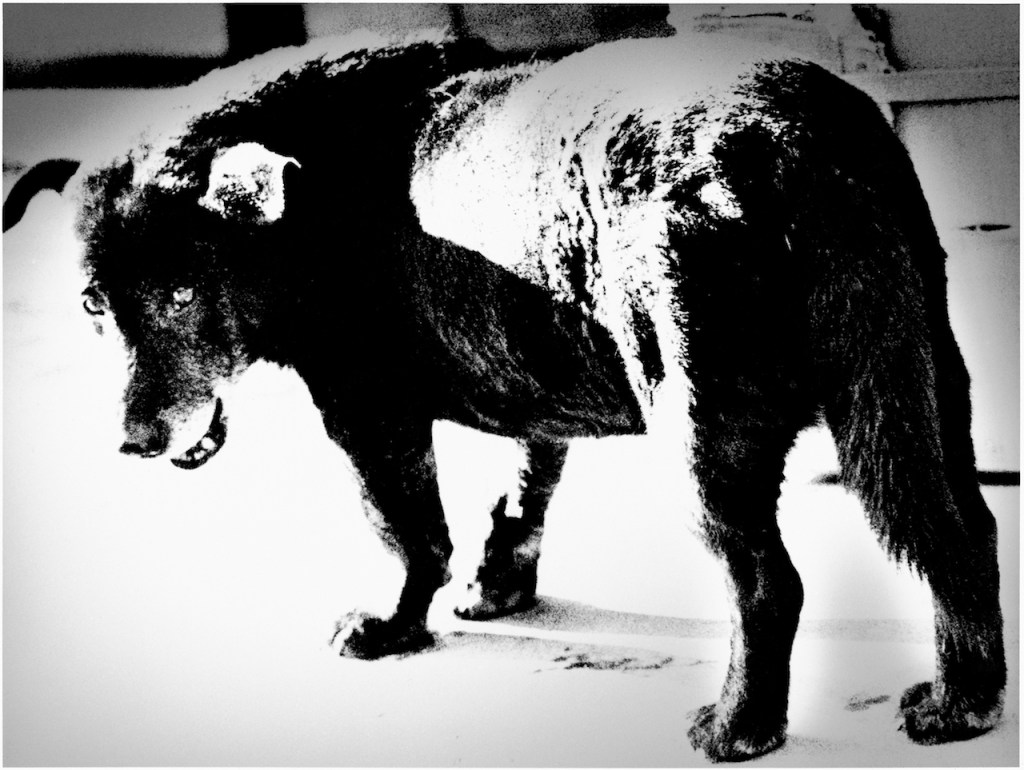
Moriyama Daidō is a name I’ve known for a while. Born in Osaka, he’s often listed among the most influential street photographers of all time. I’ve come across his photos plenty of times before, especially his gritty black-and-white shots of postwar Japan. But until recently, I hadn’t really taken the time to understand what makes his work so powerful. Now that I’ve started looking more closely, I can see why he’s had such a lasting impact—and why he’s worth paying attention to.

Moriyama is best known for his raw, high-contrast black-and-white images that reflect the clash between old Japan and the fast-changing, modern world. His photos are often blurry, grainy, and full of motion—more like fragments of a memory than traditional “well-composed” pictures. That visual chaos isn’t accidental. It’s part of what gives his work such emotional weight. He’s not interested in clean lines or technical perfection. He’s trying to show what life feels like—not just what it looks like.
One thing that really stands out is how Moriyama approaches photography like a visual diary. He captures street life in all its randomness—strangers passing by, empty storefronts, reflections in windows, city lights, dogs, signage—really anything and everything. The way he shoots feels instinctive, almost impulsive, but it’s never careless. There’s intention behind the blur, behind the noise. It’s not about capturing a single “decisive moment,” but about soaking in the atmosphere of the city and turning it into a kind of visual stream-of-consciousness.

Another thing that’s incredibly inspiring: for more than 50 years, Moriyama stuck with a compact Ricoh camera, shooting almost exclusively in black and white. In a world obsessed with the latest gear, that alone is a powerful statement. His work reminds me that what matters most is not what camera you use, but how well you know it—and what you do with it. Familiarity breeds freedom. He didn’t waste time switching systems or chasing specs. He focused on shooting, and that discipline paid off.
What I admire most about Moriyama’s photography is its honesty. It doesn’t try to make the world more beautiful or more orderly than it is. It shows the grit, the blur, the fragments—and somehow, in all that mess, it finds meaning. There’s something very human about that. It makes me think differently about what photography can be, and what it means to really pay attention to the world around you.
中文版本:
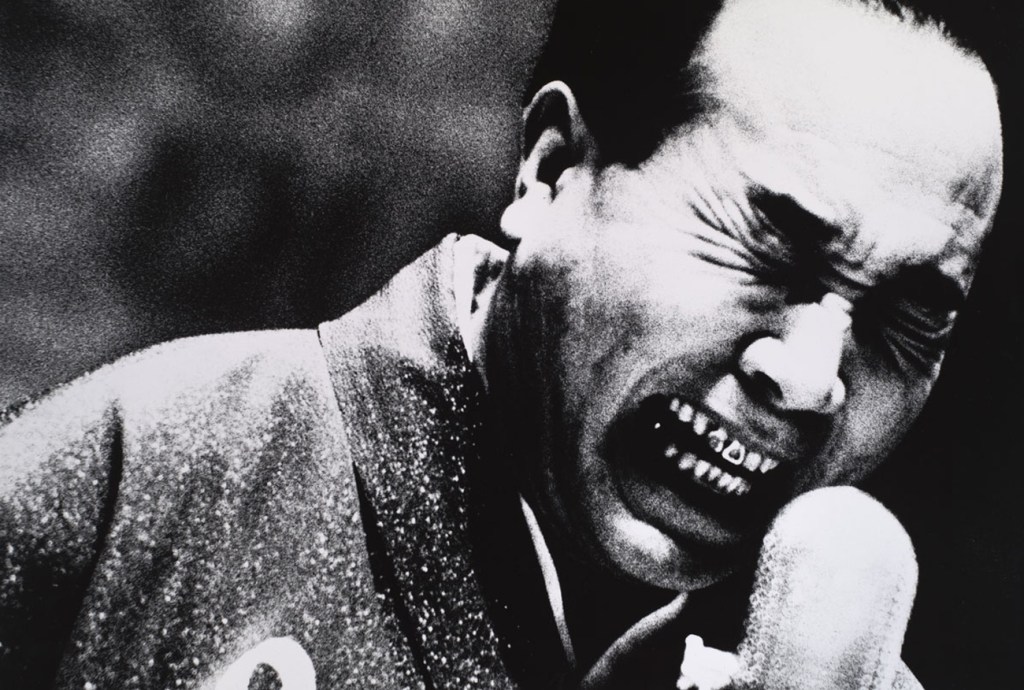
森山大道是一个耳熟能详的名字了。他出生于大阪,是世界公认最具影响力的街头摄影师之一。我以前也看过不少他的照片,尤其是那些高对比度的黑白作品,记录着战后日本的城市风貌。但说实话,我一直没有真正去深入理解他的作品。最近重新看他的照片,才慢慢明白,为什么他能影响这么多人,也让我开始思考,他还能带给我什么样的启发。
森山最著名的作品,是那些粗砺、直接、对比极强的黑白照片,记录的是传统与现代之间的冲突。他的照片经常是模糊的、有颗粒感的,甚至不符合常规的构图美学。但这正是他照片打动人的地方——它们不试图美化世界,而是直接呈现出生活最真实、最混乱的那一面。
更有意思的是,他把摄影当作一种视觉日记来进行。他拍下街头的随机瞬间——路人、狗、霓虹灯、反光玻璃、广告牌、废弃的角落……这些看似零碎的画面,拼接在一起之后,却有种奇妙的节奏和能量。他不追求所谓“决定性瞬间”,而是记录下城市的呼吸,捕捉日常生活中那些被忽略的、转瞬即逝的感受。
还有一点让我特别佩服:五十多年来,他一直使用一台便携的 Ricoh 相机,坚持拍黑白照片。这个事实本身就很有力量。在这个人人都在讨论器材、焦段、画质的时代,他却证明了一件事——真正重要的不是用什么拍,而是你如何看世界。熟悉自己的工具,远比频繁更换设备来得重要。那种专注和坚持,是一种非常纯粹的创作态度。
森山的作品,也许不“好看”,甚至不容易被第一眼接受。但它们很真实。他不试图把世界拍得更干净或更美,而是选择正视混乱和不完美。正是在这种模糊与破碎之中,他呈现出一种特别的情感张力。这让我重新思考摄影的意义——它不是关于控制和构图的技巧,而是关于你是否愿意用心感受身边的世界。
 KywenArtech